Where and Why does Acid Rain occur?
Acid rain occurs mostly in the Northern Hemisphere. Countries that are mostly affected by acid rain include the United States and Canada. Europe, Poland, Germany, Sweden, Finland, Asia India and China are also prominent locations that harbor acid rain.
Acid Rain occurs mostly in areas where the emission of sulphur dioxide and nitrogen oxide are prevalent. It is formed when rain water mixes with these acidic gases to form acid rain.These places are specifically recipients of acid rain due to the high number of factories, power plants and large numbers of automotive factories.
What are some Problems with Acid Rain?
1. Problems to Water:
Acid rain makes waters acidic. This makes waters toxic to crayfish, clams, fish, and other aquatic animals
2. Effects on Land:
It robs the soil of essential nutrients and releases aluminum in the soil, which makes it hard for trees to take up water. Trees' leaves and needles are also harmed by acids. All of this results in leaving trees and plants less able to withstand cold temperatures, insects, and disease. The pollutants may also harm the trees' ability to reproduce.
Acid rain dissolves helpful minerals and nutrients before trees can absorb them. Nutrient deprivation and exposure to toxins make trees more likely to topple in storms or die in cold weather.
Issues to humans:
Acid Rain can result in brain damage. However, it doesn't affect people in the same way as it does fish or plants. Acid rain feels the same as regular rain -- it's even safe to swim in an acidic lake. But the sulfate and nitrate particles of dry deposition can cause asthma, bronchitis and heart problems. Ozone, or smog, aggravates and weakens the respiratory system.
Acid rain has the unsettling ability to erase and obliterate stone and metal, the most durable of materials. Old buildings, monuments and tombstones. Acid deposition speeds up natural weathering.
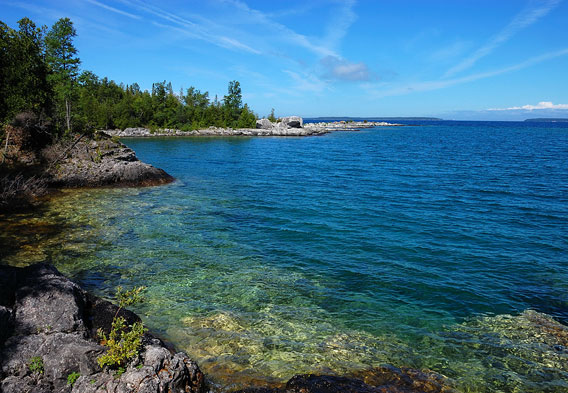
One specific area that has suffered greatly from Acid Rain is Lake Ontario, United States
Lake ontario is about 7 thousand sq miles in size. Though it is the smallest great lake in surface area, because of a low elevation and depths that reach 800 feet it doesn't freeze in winter, unlike the other lakes in the chain. The deepest point is 802 ft, while the average depth is almost 300 ft.! Amazingly, this lake is also the 14th largest lake in the world. Lake Ontario is located in the North of the US at the base of Niagara Falls. On one side of Lake Ontario there is New York, and at the other side is Ontario itself.
Acid Rain has caused mass destruction in this specific area. It has harmed lake and river ecosystems. Fish cannot reproduce and soon die out when acid levels become too high in rivers and lakes. If a lake or river loses its fish population, animals and birds in the area may starve or be forced to move away from the area to look elsewhere for food.
Acid Rain has also contaminated drinking water. By gradually eating away at metal pipes, acid rain causes metal to enter the drinking water supplies.
Furthermore, acid rain can harm the natural forests surrounding Lake Ontario. The overdose of acid in rain can corrupt tree leaves and therefor interfere with photosynthesis. This causes many trees to die.
Why Does this Area Receive Acid Rain?
This are probably receives Acid Rain due to large urban population and thus pollution in the areas surrounding it.
First of all, on one side of Lake Ontario is New York. New York is the leading recipient of migrants from around the world. It has the second largest immigrant population in the country. Furthermore, 92% of the residents live in urban areas. All in all it is a very rural and populated area which leads to much car exhaust and burning of fossil fuels, both which release acids.
On the other side of Lake Ontario there is the territory of Ontario in Canada. Much like New York, high population and urban residence is increasing the risk of acid rain.
Canada is falling short of accepted quality standards required for protecting fish, plants and other aquatic life. The main source of pollution appeared to be from sewage, agriculture runoff and industrial waste.
Stop Acid Rain in This Area
Thankfully, there are several ways we can reduce this particular Acid Rain problem.
The surrounding areas can reduce their pollution by using renewable resources and reusable energy. Also, recycling and limiting fossil fuels burning could majorly help.
Who knows... Are electric cars in the future?